Same price in store & onlineNext day delivery availableHassle-free 90-day returnsClick & collect at Fox's Marina
Menu
Sealants & Lubricants
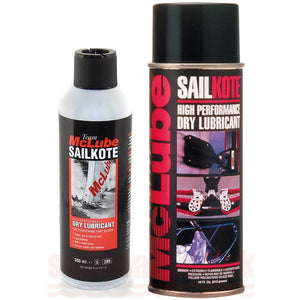
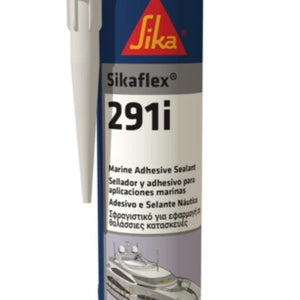
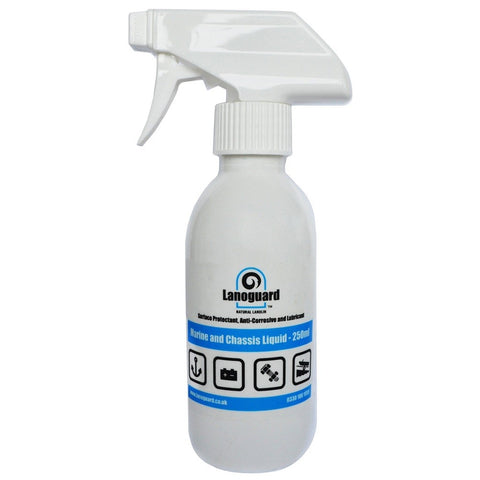
The tubes, tins and aerosols that keep water out and moving parts moving. Sealants and adhesive sealants - Sikaflex 291i, teak deck caulking, Geocel marine silicone, Sabatack 720 and 750 XL, CT1 and Captain Tolley's Creeping Crack Cure, plus Debond remover for taking old sealant off; marine greases and lubricants including winch grease, waterproof grease, PTFE and silicone sprays; anti-corrosion products for terminals, fastenings and stored gear; and waterproofers for covers, canvas and sailing kit.
Two rules cover most of it. Match the sealant to the job - polyurethane where a fitting is bonded and loaded, silicone or butyl where you will want it off again, and a thin creeping formula for the leak whose source you cannot find. And lubricate before things seize rather than after: a winch serviced with the right grease turns freely for years, while the same winch left dry in salt air becomes a workshop job. Anti-seize on stainless fastenings saves more grief than anything else in the locker.
Frequently asked questions
What sealant should I use to bed deck fittings?
A marine polyurethane adhesive sealant like Sikaflex 291i is the standard for fittings under load - it bonds, seals and stays flexible. Use silicone or a butyl-type product instead where you expect to remove the fitting again, as polyurethane's grip makes removal destructive.
What grease should I use on a winch?
A proper winch grease on the gears and bearing surfaces, and light oil rather than grease on the pawls and their springs - grease on pawls makes them stick, which is how a winch skips under load. Strip, clean and regrease annually; it takes an hour and transforms how a tired winch feels.
How do I stop stainless fastenings seizing?
Use an anti-seize compound on the threads before assembly. Stainless galls against stainless - the threads cold-weld under friction, and a seized bolt usually has to be cut out. A smear of anti-seize on every stainless thread you assemble is the cheapest insurance on the boat.