Same price in store & onlineNext day delivery availableHassle-free 90-day returnsClick & collect at Fox's Marina
Menu
Blocks & Sail Handling
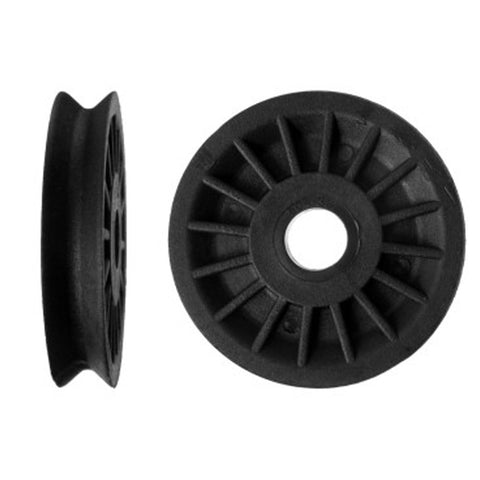
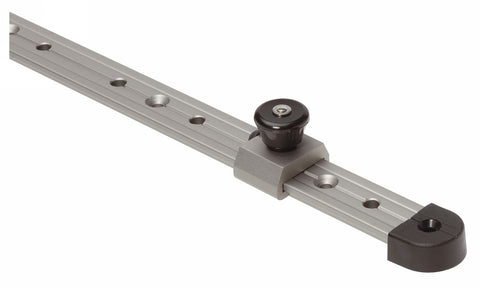
The systems that let one pair of hands control a sail. Pulley blocks from Harken, Lewmar, Barton, Holt Nautos, Seasure and Selden in every size from 16mm dinghy blocks to yacht-load ball bearing blocks; mainsheet travellers, track and cars; spinnaker and gennaker gear; sail feeders, slides, battens and numbers; and the tiller extensions that keep a helm in the right place on the rail.
Sail handling is really about purchase and friction. Getting the purchase right makes a system usable in the conditions where it matters, and reducing friction - ball bearing blocks where a line runs fast and often, low-friction rings where it does not - is usually cheaper than adding another part to the tackle. If you are reworking a mainsheet, vang or reefing system, bring the line diameter and the loads and we will size it properly.
Frequently asked questions
Ball bearing blocks or plain bearing blocks?
Ball bearing blocks run with much less friction under light and moderate load, which suits sheets and control lines that are trimmed constantly. Plain bearing blocks carry high static loads better and cost less, so they suit halyards, reefing lines and anywhere the line moves rarely but pulls hard.
What purchase do I need on a mainsheet?
It depends on sail area and crew: small dinghies often run 3:1 or 4:1, cruising yachts commonly 4:1 to 6:1 with a coarse and fine arrangement on larger rigs. More purchase means lighter loads but more rope to pull - the right answer is the least purchase you can comfortably trim in a blow.
When should I use a low-friction ring instead of a block?
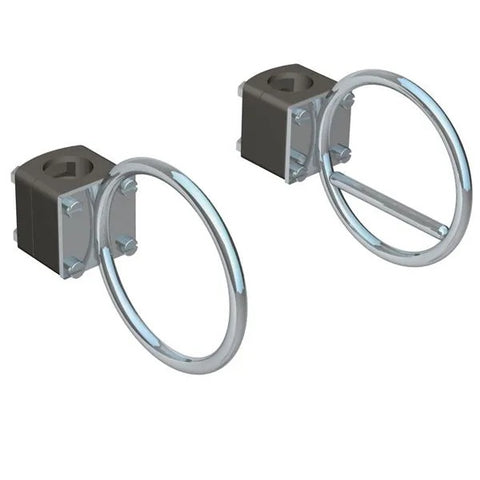
Wherever a line changes direction slowly and infrequently - barber haulers, tack lines, reefing pennants, lazy jacks, bridles. Rings are lighter, cheaper and stronger for their size, with nothing to seize. Blocks still win where a line runs fast and often under load.