Same price in store & onlineNext day delivery availableHassle-free 90-day returnsClick & collect at Fox's Marina
Menu
Sails & Covers
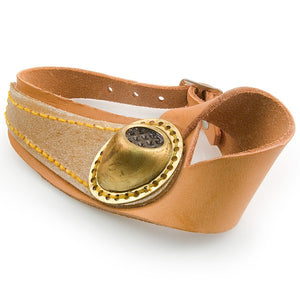
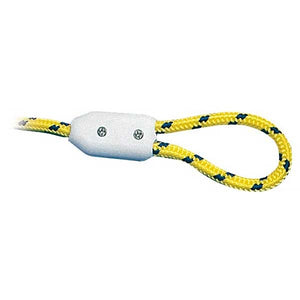
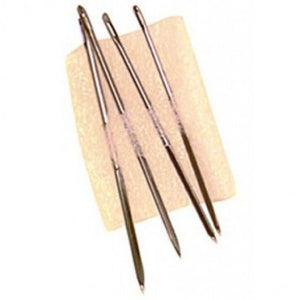
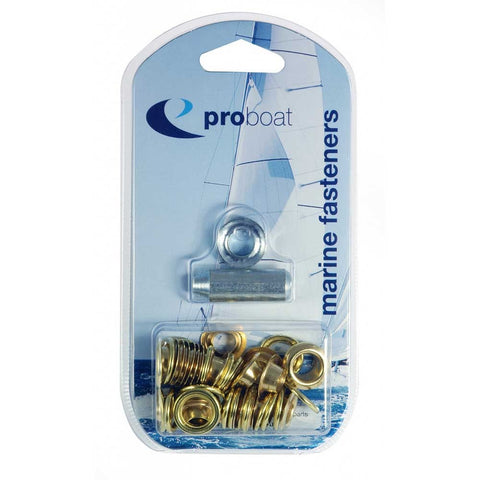
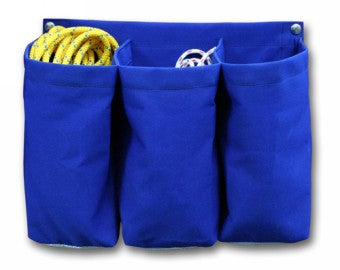
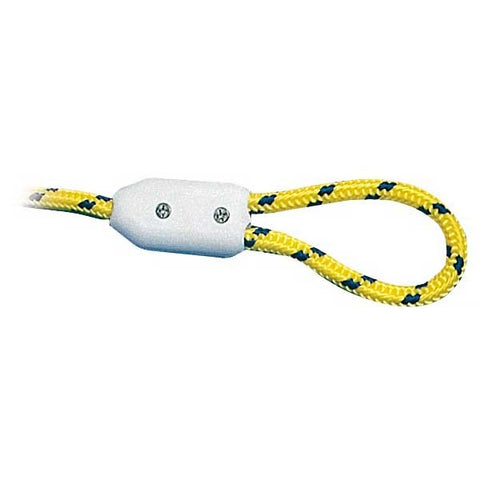
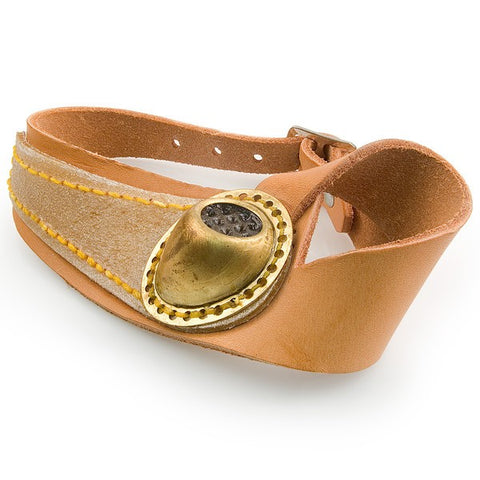
Everything that protects a sail, a cockpit or a crew from the weather - and the small hardware that makes sails easy to handle. Cockpit awnings, sun canopies, boom tents and boat covers with their poles and fittings; halyard bags, sheet bags, winch handle pockets and bunk nets from Blue Performance and Solent Leisure; sail ties, slides, rings, sister clips and cover hooks; sail repair kits, sewing palms and spinnaker tape; rig tension meters; and the cleaners and proofers that keep canvas waterproof.
Canvas is the part of a boat that ages fastest, because it takes the full UV load all season and then gets folded away damp. Wash covers with a fabric cleaner rather than detergent, re-proof once the water stops beading, and dry them properly before stowing. On the sail side, most hoisting problems are a dirty track or worn slides rather than a stretched sail - and a repair kit aboard turns a small tear into a twenty-minute job instead of a lost weekend.
Frequently asked questions
How often should boat covers be re-proofed?
When water stops beading and starts soaking in - typically every couple of seasons on a cover that lives outdoors. Clean first with a proper fabric cleaner, since re-proofing over dirt seals the dirt in, then apply the proofer to a dry cover and let it cure fully.
Why does my mainsail bind when hoisting?
Usually friction in the track rather than anything wrong with the sail - dirt and salt in the groove, or worn and swollen slides. Clean the track, apply a dedicated sail and track lubricant, and replace worn slides before assuming the sail has stretched.
What should a sail repair kit contain?
Self-adhesive sailcloth or spinnaker tape for an immediate fix, a sewing palm, needles and waxed thread for a lasting one, plus a hot knife or lighter to seal cut edges. Tape the tear on both sides first, then stitch when the boat is still - it is far easier alongside than at sea.