Same price in store & onlineNext day delivery availableHassle-free 90-day returnsClick & collect at Fox's Marina
Menu
Fastening
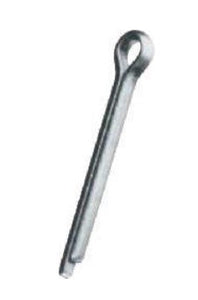
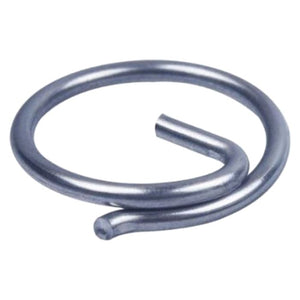
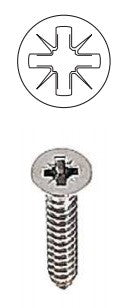
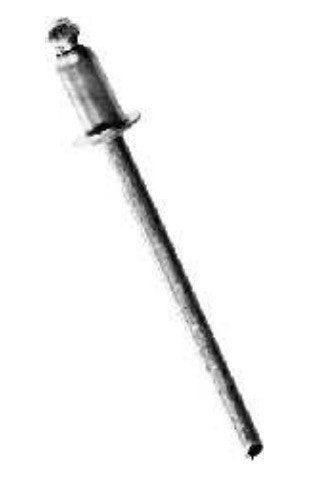
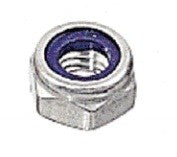
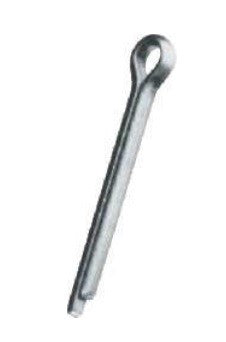
The rig and half the deck gear ultimately hang on fastenings you could carry in one hand. This collection covers A4 stainless machine screws and bolts, nuts, washers and penny washers, woodscrews and panel pins for joinery and trim, self-tapping screws, rivets, clevis and split pins, split rings and screw eyes - in A4 stainless, brass and bronze depending on where they live and what they hold.
Match the metal to the job and the load to the fitting. A4 stainless for anything exposed or loaded, brass and bronze for traditional joinery and below-waterline work where stainless would suffer crevice corrosion, and never mix metals across a wet joint if you can avoid it. Use anti-seize on stainless threads, use the right washer to spread load rather than the one that came to hand, and through-bolt anything that matters - a screw into thin laminate is not a fastening, it is a countdown.
Frequently asked questions
Can I use ordinary DIY-shop screws on a boat?
Not anywhere that gets wet. Zinc-plated and A2 fastenings rust or pit within a season in salt air, and the failure is usually hidden inside the fitting until something lets go. A4 stainless costs a little more per screw and is the only sensible choice outdoors.
When should I use bronze or brass rather than stainless?
Bronze suits below-waterline fittings and traditional wooden boat work, where stainless can suffer crevice corrosion in oxygen-starved wet joints. Brass is for dry interior and decorative use only - it dezincifies in salt water and should never carry load below the waterline.
Screw or through-bolt?
Through-bolt anything that takes working load, with a backing plate or oversized washers spreading it into the laminate. Screws suit light fittings only - trim, sail cover lacing eyes, cable clips. The fastening and its backing are what fail, far more often than the fitting itself.