Same price in store & onlineNext day delivery availableHassle-free 90-day returnsClick & collect at Fox's Marina
Menu
Resins, Glue & Fillers
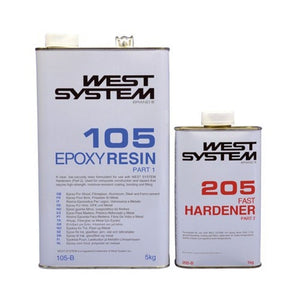
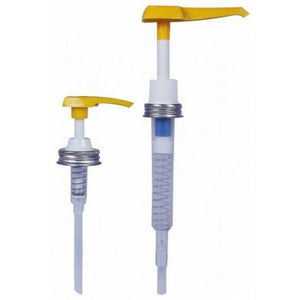
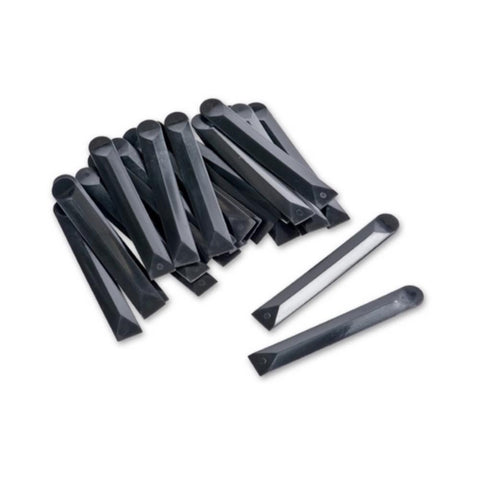
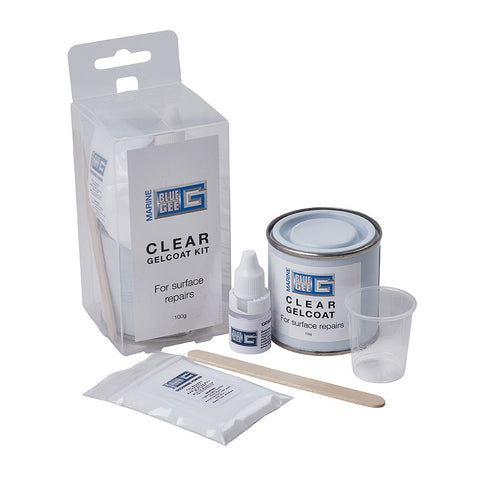
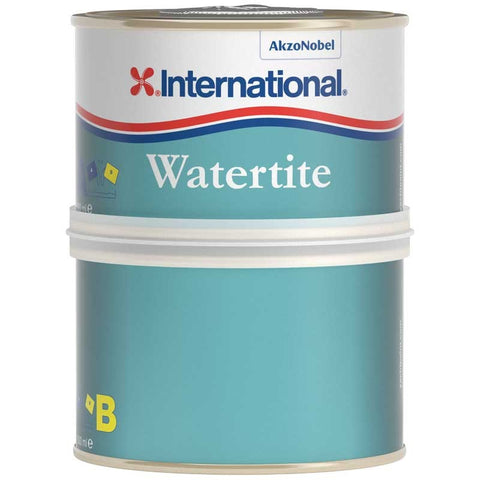
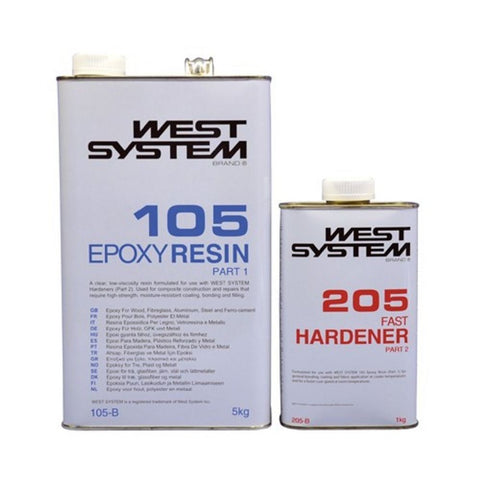
Everything a GRP repair needs, from the mix to the finish. West System 105 resin with fast and slow hardeners and the 301 pump sets that meter them, Six10 cartridge adhesive for gun-applied structural bonding and G-Flex for damp and difficult surfaces; marine adhesives and adhesive sealants; epoxy and polyester fillers including West's filler powders and International Watertite; gelcoats and pigments for colour matching; and the laminating consumables - chopped strand mat, woven roving, glass cloth, peel ply, paddle rollers, spreaders and mixing pots.
Work in the order the job needs: grind back to sound laminate, bond or laminate with the right resin and reinforcement, fair with a filler chosen for the task - low-density for fairing, high-strength for structural fillets - then finish with gelcoat or paint. Measure resin and hardener exactly, mix small batches rather than one heroic potful, and remember cured epoxy needs overcoating against UV. If you are unsure which product does which job, describe the repair and we will talk it through before you buy anything.
Frequently asked questions
What do I need for a basic GRP repair?
Epoxy resin and hardener (a West System junior pack covers most jobs), glass cloth, a filler powder to thicken where needed, mixing pots and acetone for cleanup - plus abrasives to key and finish. Grind back to sound laminate, build up in layers, and fair once cured.
What is the difference between epoxy and polyester filler?
Epoxy fillers bond better, shrink less and are waterproof, which makes them the choice below the waterline and for anything structural. Polyester fillers are cheaper and sand more easily, so they suit cosmetic work above the waterline. Never put polyester over cured epoxy - it will not bond reliably.
Can I gelcoat over an epoxy repair?
Only with care. Polyester gelcoat does not bond well to epoxy, so the epoxy must be fully cured, the amine blush washed off with water, and the surface thoroughly abraded first - and even then results vary. Many people paint an epoxy repair instead, or use an epoxy-compatible coating system.