Same price in store & onlineNext day delivery availableHassle-free 90-day returnsClick & collect at Fox's Marina
Menu
Painting Tools
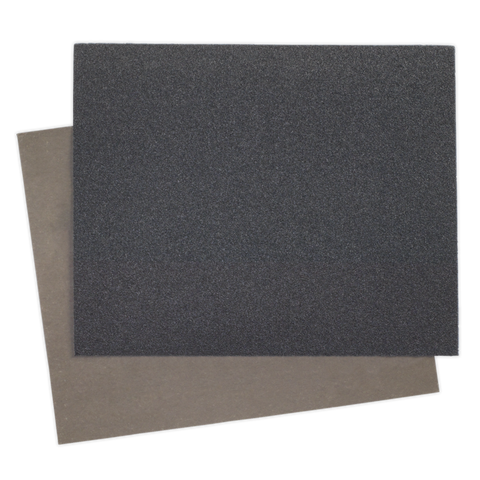
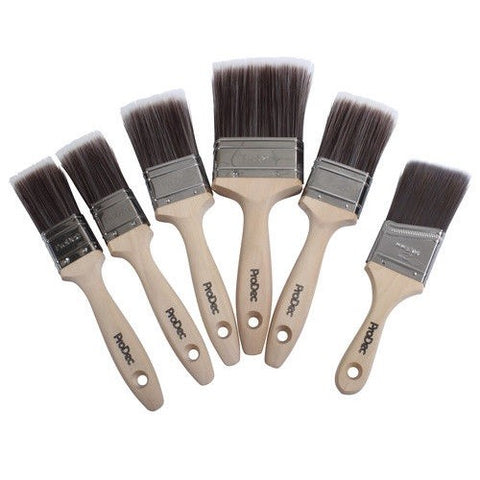
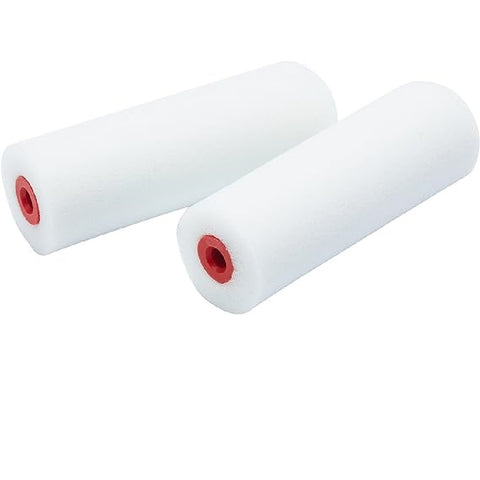
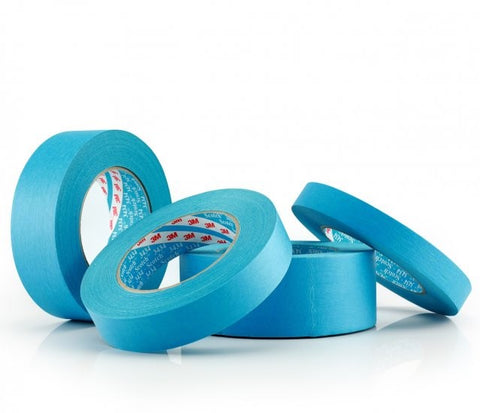
Preparation is most of a paint job, and this is the kit that does it. Abrasives and scrapers for taking a hull back, paint brushes that will not shed into a wet topcoat, rollers, trays and gloopy rollers for non-slip deck coatings, and marine masking tapes that come off cleanly rather than tearing or leaving adhesive baked onto the gelcoat.
Two economies always cost more than they save: a cheap brush and cheap masking tape. Bristles left in a varnish coat mean sanding it back, and tape that lifts the edge or leaves residue turns a crisp waterline into an afternoon of scraping. Buy proper tape rated for the exposure time you need, pull it while the paint is still slightly green rather than fully hard, and clean brushes with the thinner specified for the paint you are actually using.
Frequently asked questions
Roller or brush for antifouling?
A roller for speed and even coverage over the main hull, with a brush for the waterline, keel, edges and around fittings. Most people roll and tip: roll the paint on, then lightly draw a brush through it to even out the texture before it starts to go off.
What grade of abrasive should I use before painting?
Follow the paint manufacturer's data sheet, since it varies by system - typically a coarser grade to remove failed coating and a finer one to key a sound surface. Over-sanding a good substrate creates work; under-keying a glossy one is the usual reason a new coat lifts.
When should masking tape come off?
While the paint is still slightly soft, not fully cured - pulling it back on itself at a shallow angle gives the cleanest line. Left until the paint is hard, the film tears along the edge; left for days in sunshine, the adhesive bonds to the surface and has to be scraped off.