Engine Inboards & Outboards

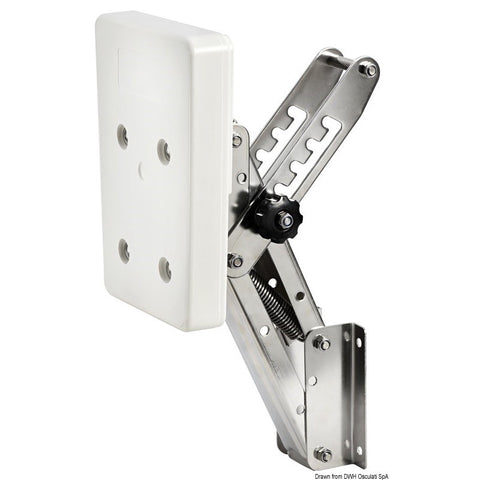
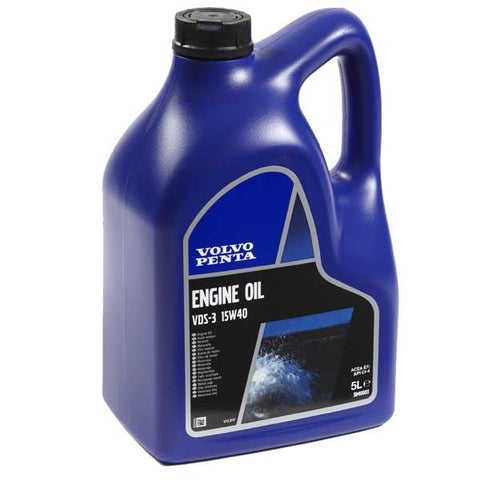
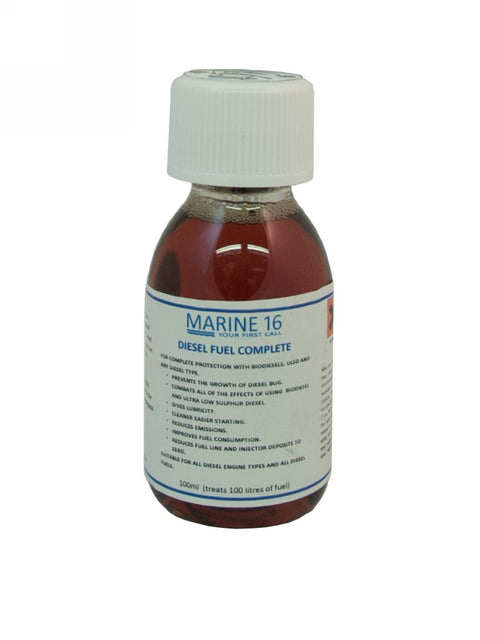
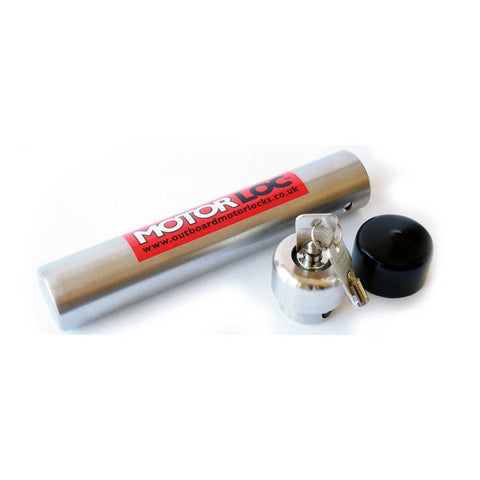
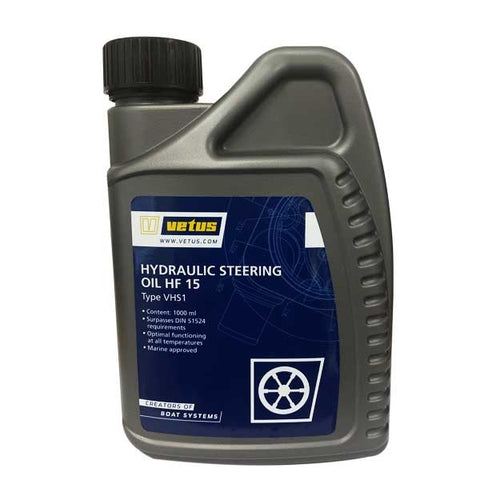
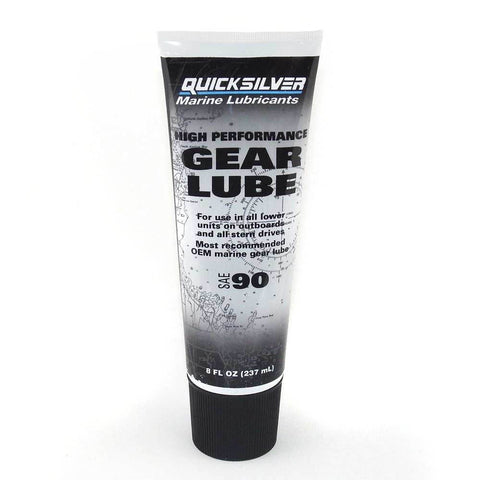
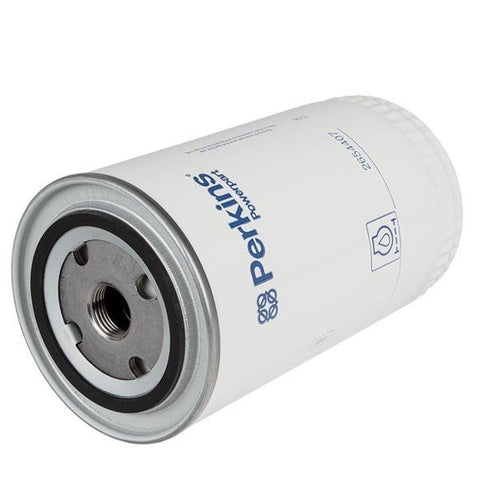
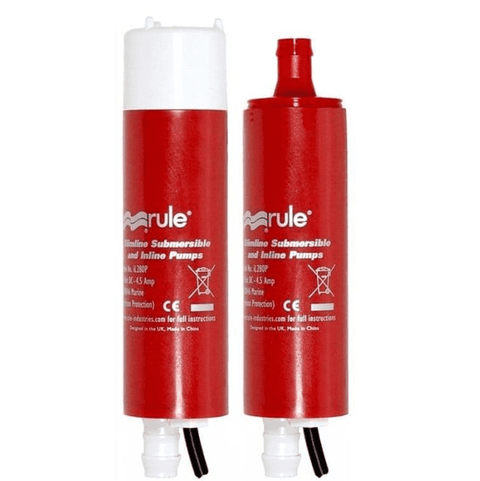
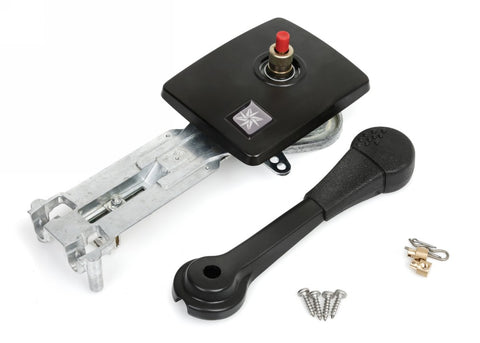
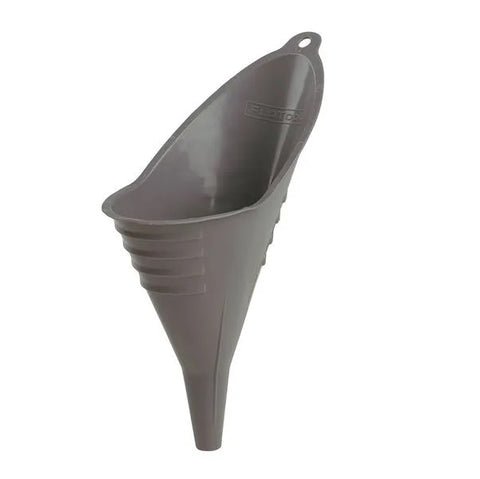
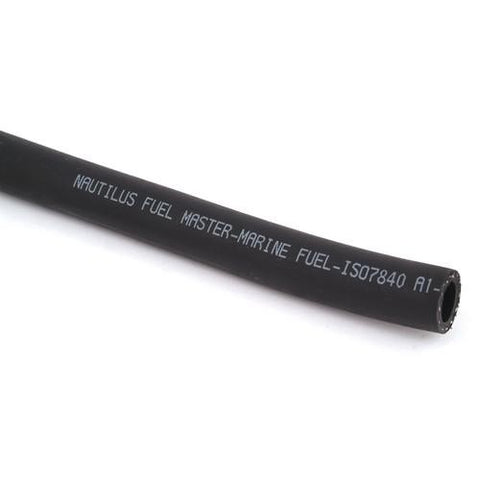
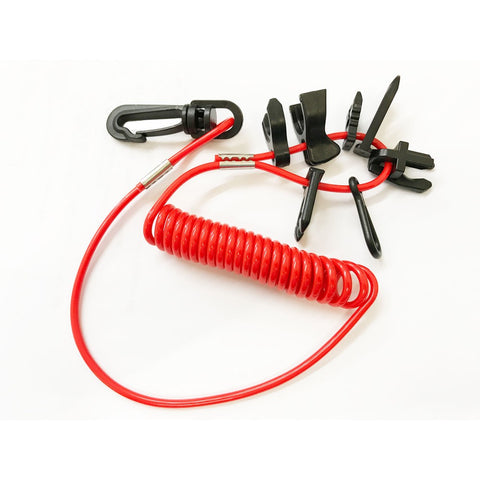
Engines and everything that keeps them turning. Yamaha and electric outboards, engine oils and lubricants for two-stroke and four-stroke outboards and marine diesels, oil and fuel filters matched by part number, fuel tanks, jerry cans, lines, primer bulbs and funnels, tank and fuel treatments, gear and hydraulic oils, transfer pumps, throttle and steering controls, kill cords, and the locks and covers that keep an outboard where you left it.

Marine engines are punished less by hours than by sitting. Acids in used oil corrode internals through the winter, untreated petrol goes stale and gums a carburettor in a season, and diesel grows a bug in a half-empty tank. An annual oil and filter change regardless of hours, a fuel stabiliser or biocide before lay-up, and a spare impeller in the locker are the three habits that prevent most of what we see come through the door in April.

Frequently asked questions

How do I identify the right oil filter or impeller for my engine?

By part number - from the engine manual, the plate on the block, or the number printed on the old part. Our listings carry manufacturer numbers and common supersessions, so a search on that number confirms the fit far more reliably than matching by engine model alone.

What oil does an outboard need?

Four-stroke outboards take a marine four-stroke oil such as 10W-30 or 10W-40 to the manufacturer's specification; two-strokes need a TC-W3 rated two-stroke oil. Do not substitute car engine oil - marine formulations handle the humidity, load profile and corrosion protection that outboards need.

Should I treat fuel before winter lay-up?

Yes. Petrol degrades within months and the ethanol in modern pump fuel attracts water and attacks older fuel systems, while diesel supports microbial growth in a part-full tank. A stabiliser for petrol or a biocide for diesel, added before lay-up and run through the engine, prevents both.