Boat Pumps & Water Systems
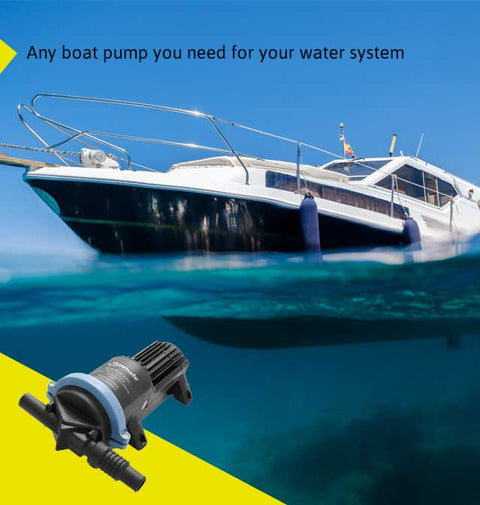
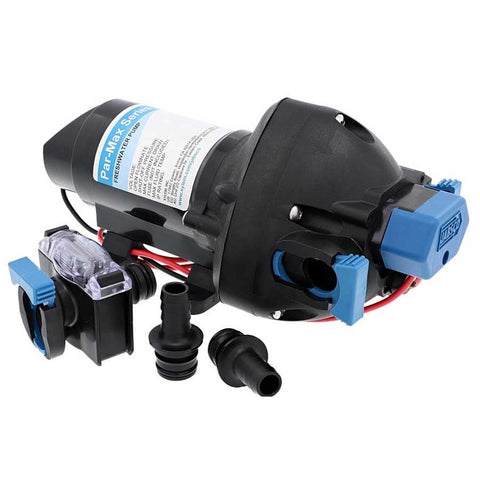
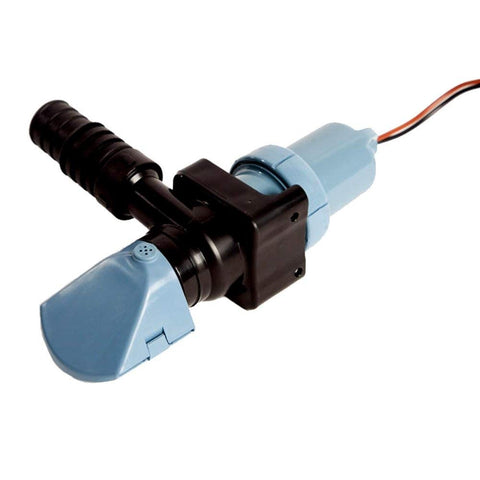
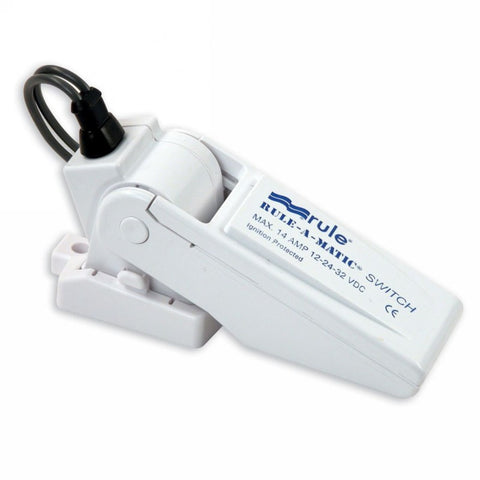
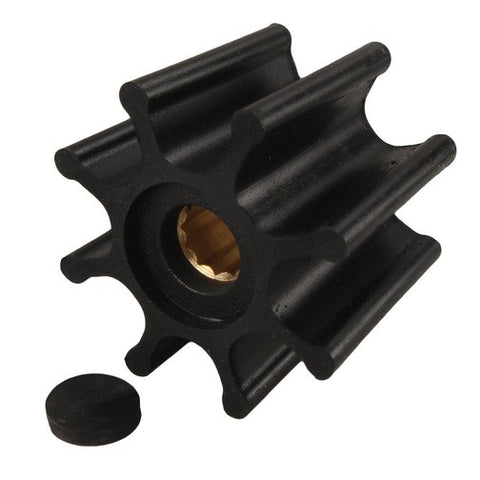
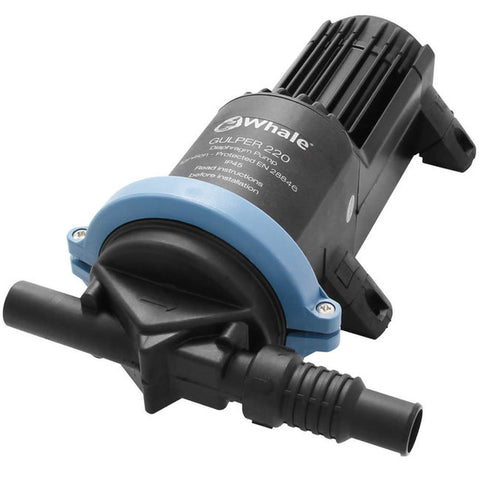
Every pump on the boat and the system around it. Freshwater pumps and accumulator tanks, bilge pumps with automatic float switches, shower and sump pumps, impeller kits for engine cooling, water tanks and purification, sink taps and shower fittings - and behind all of it the service kits, diaphragms and valves from Jabsco, Whale and Vetus that make a tired pump work like a new one for a fraction of the price.
Pumps are the most serviceable things on a boat and the most often replaced unnecessarily. A pump that has lost pressure, primes badly or runs on usually needs a diaphragm, a set of valves or a cleaned inlet strainer rather than a new unit. Keep a service kit for each pump type aboard, fit a strainer on every inlet, and test the bilge pump and its float switch at the start of every season - it is the one pump you will need when you have no time to fix it.
Frequently asked questions
Why has my water pump lost pressure or started running on?
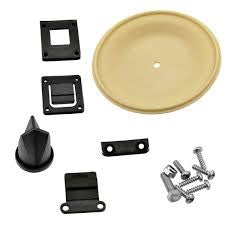
Almost always a worn diaphragm, tired valves or a blocked inlet strainer, sometimes a small air leak on the suction side. Service kits are available for the common Jabsco and Whale pumps and take under an hour to fit - replacing the whole pump is rarely necessary.
Do I need an automatic bilge pump as well as a manual one?
Yes, and most insurers expect both. The automatic pump with a float switch deals with rain, spray and a weeping stern gland while you are away; the manual pump works when the batteries are flat, which is exactly when it matters. Test both at the start of each season.
What does an accumulator tank actually do?
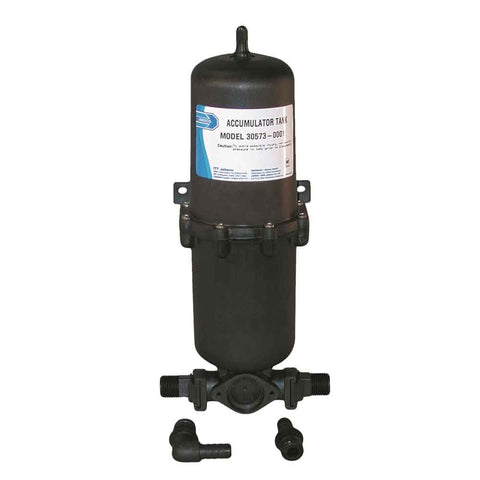
It stores a cushion of pressurised water so the pump does not restart every time a tap is cracked open. That gives steady pressure at the tap, stops the pump short-cycling, and significantly extends pump life - a small tank is one of the cheapest upgrades to a freshwater system.