Same price in store & onlineNext day delivery availableHassle-free 90-day returnsClick & collect at Fox's Marina
Menu
Signalling & Visibility
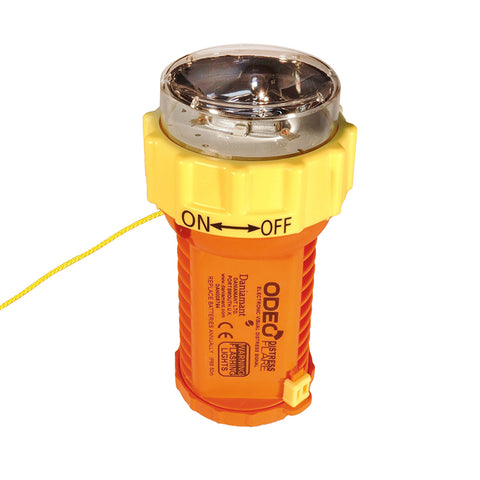
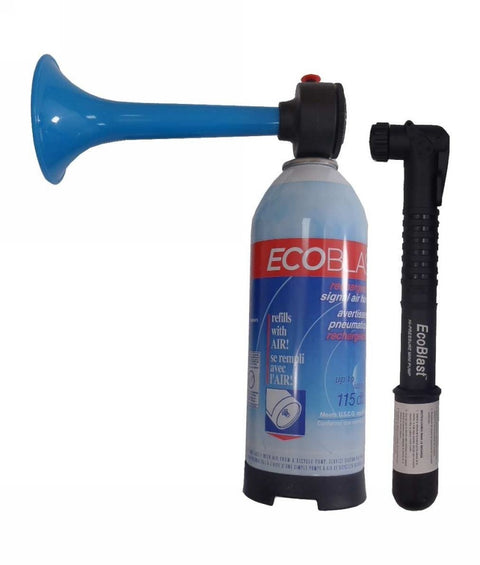
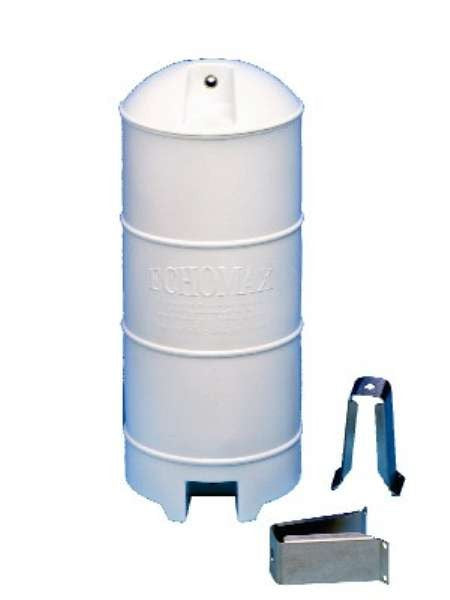
Two problems, one shelf: being seen, and seeing. Distress flares and electronic alternatives for signalling an emergency; fog horns and sound signals for restricted visibility; radar reflectors that make a GRP yacht show up properly on a ship's screen; and marine binoculars, including compass models that give you an identified mark and its bearing in one glance.
A GRP hull is a poor radar target - which is the whole argument for a properly mounted reflector, hoisted as high as possible and in the correct orientation, since a reflector lying in a locker protects nobody. Flares have expiry dates and must be disposed of correctly rather than dumped or set off for fun; ask us about current disposal arrangements when you buy replacements, as the routes change. And the sound signals in the Collision Regulations are worth re-reading before a fog-bound passage.
Frequently asked questions
What flares should a coastal yacht carry?
A typical coastal pack contains red handheld flares, red parachute rockets and orange smoke, with the exact mix depending on how far offshore you go. Electronic distress lights and AIS or DSC beacons increasingly supplement them, and offshore crews should carry both types.
Do radar reflectors actually work?
A properly specified reflector, mounted as high as possible and in the orientation the maker specifies, makes a substantial difference to how a GRP yacht appears on a ship's radar. Mounting height and orientation matter as much as the reflector itself - a good reflector fitted badly returns very little.
What do I do with out-of-date flares?
Never fire them for practice and never put them in household waste. Disposal arrangements in the UK have changed several times and vary by region, so ask us or your harbour authority for the current route when you buy replacements - we keep track of what is available locally.