Same price in store & onlineNext day delivery availableHassle-free 90-day returnsClick & collect at Fox's Marina
Menu
Emergency Equipment
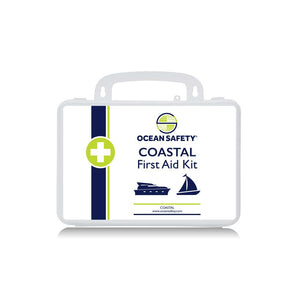
The things you buy hoping never to open. Marine first aid kits sized from day sailing to offshore; fire extinguishers and fire blankets for the galley and engine space; emergency sealants, softwood plugs and leak-stopping repair kits for a failed skin fitting or split hose; rescue tools and cutters for a fouled line or a jammed harness; and bosun's chairs for the jobs that have to happen aloft.
Emergency kit only works if it is reachable and in date. Extinguishers need checking annually and replacing when the gauge drops; first aid kits quietly expire; and softwood plugs are useless in a locker - they should be tied to the skin fitting they match. Walk the boat once a season asking one question at each stage: if this failed right now, where is the thing that fixes it, and could I reach it in the dark?
Frequently asked questions
What fire extinguishers does a boat need?
At minimum one accessible from the companionway and one near the galley, sized to the boat, plus a fire blanket by the cooker. An automatic extinguisher in the engine space is worth having on any inboard. Check the gauges annually and replace rather than refill most portable units.
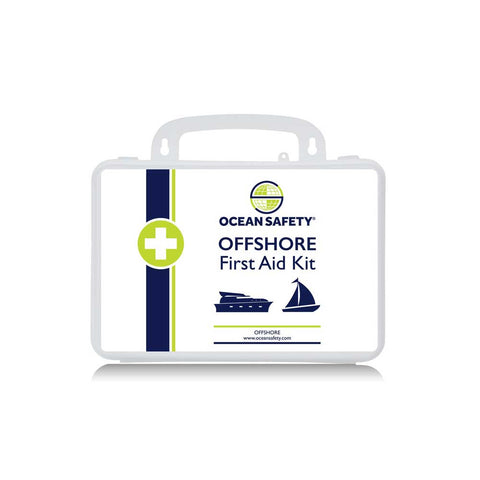
What goes in a marine first aid kit?
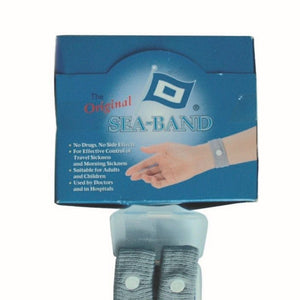
Beyond the domestic basics: seasickness remedies, a good supply of waterproof dressings, wound closure strips, a triangular bandage, tweezers for fish hooks and splinters, and any prescription medicines the crew depend on. Offshore kits add more substantial trauma and burns cover.
Where should softwood plugs be kept?
Tied to the skin fitting each one matches, not collected in a drawer. A tapered plug hammered into a failed fitting or a burst hose stops the ingress in seconds, but only if you can find the right size instantly and in the dark. It is the cheapest safety item on the boat.