Same price in store & onlineNext day delivery availableHassle-free 90-day returnsClick & collect at Fox's Marina
Menu
Power Distribution
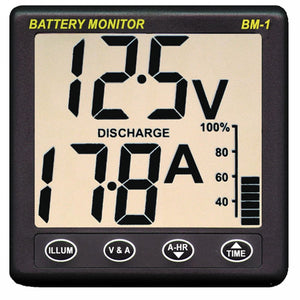
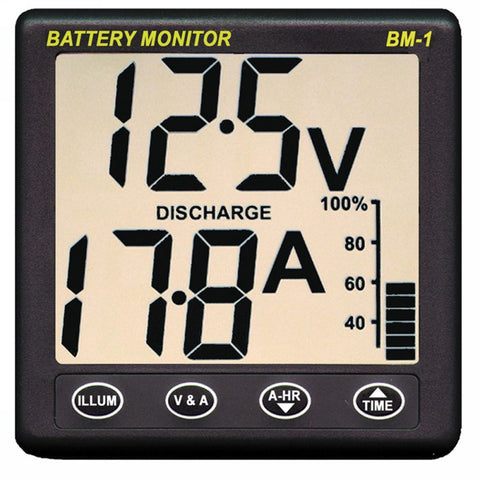
Everything between the battery and the appliance. Switch panels and monitoring, from control panels to battery monitors; circuit breakers, fuses, fuse blocks and busbars from Blue Sea Systems; marine plugs, sockets, rocker switches and battery switches rated for damp and vibration; and tinned marine cable in single, twin and multi-core, from light instrument runs up to battery cable.
A distribution system is judged on two things: whether every circuit is protected at the right rating, and whether you can find a fault at three in the morning. Size fuses to the cable rather than the appliance, put the protection as close to the battery as practical, use tinned cable and properly crimped terminals throughout, and label both ends of every run. A labelled panel and a wiring diagram taped inside the locker door are worth more than any single component you can buy.
Frequently asked questions
Fuses or circuit breakers?
Both work if correctly rated. Breakers reset without spares and double as a switch, which suits a main panel; fuses are cheaper, physically smaller and very reliable, which suits distribution blocks and high-current battery protection. Many boats use breakers at the panel and fuses at the bank.
What size cable does a circuit need?
Size it for the current and the round-trip length, working to a maximum 3% voltage drop for lighting and critical circuits. Marine runs are long and 12V is unforgiving, so cable that would be adequate in a car is often two sizes too small on a boat.
Why are my lights dim and my pump slow?
Almost always voltage drop - undersized cable, a long run, or corroded connections and switches adding resistance. Measure the voltage at the appliance with it running and compare it to the battery: the difference is what you are losing in the wiring, and it is usually fixable at the connections.