Same price in store & onlineNext day delivery availableHassle-free 90-day returnsClick & collect at Fox's Marina
Menu
Man Over Board
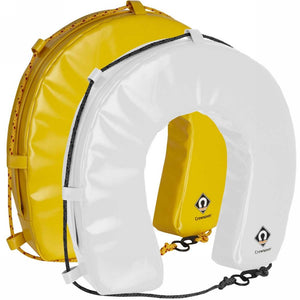
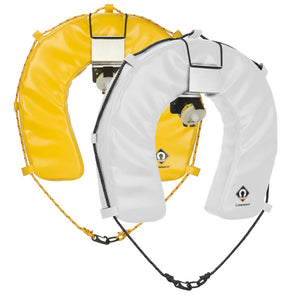
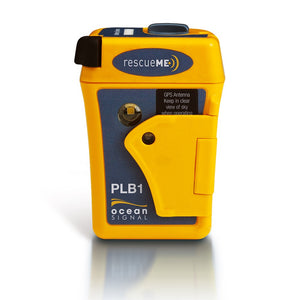
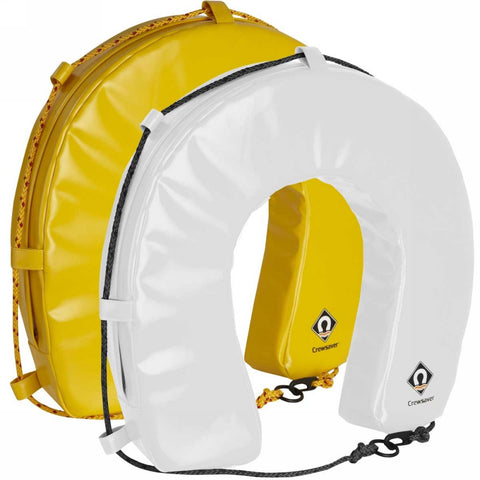
The equipment for the two worst days at sea: getting someone back aboard, and leaving the boat. Horseshoe lifebuoys with lights and drogues, danbuoys and jonbuoys, rescue slings and lifting strops, throwing lines, emergency and boarding ladders that can be deployed from the water - alongside liferafts, EPIRBs, PLBs and personal AIS beacons for when recovery is no longer the question.
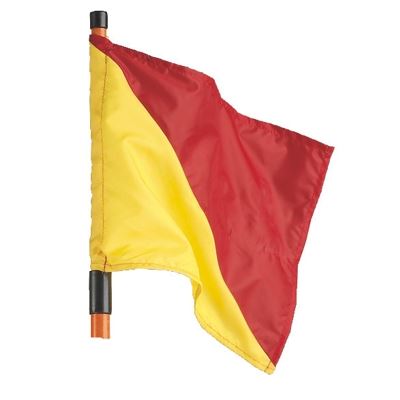
Think of a man overboard in three stages: mark, find, recover. Mark it instantly - lifebuoy, light and drogue together, so the buoy stays with the casualty instead of blowing downwind. Find them - a personal AIS beacon on the lifejacket takes the searching out of it entirely. Then recover, which is the stage crews practise least and find hardest, and which is what a sling led to a halyard is for. Fit all of it where it deploys in seconds without untying anything, and rehearse with the crew you actually sail with.
Frequently asked questions
What man overboard equipment should a yacht carry?
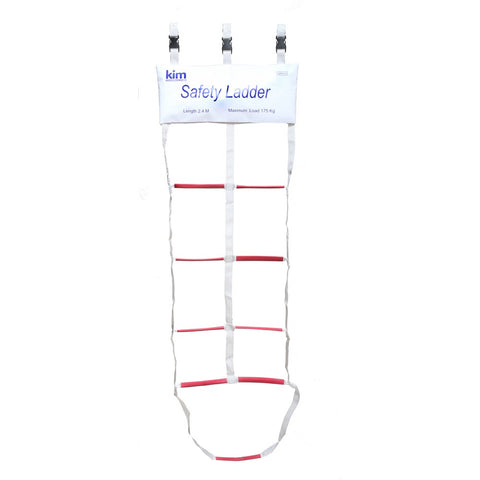
As a working minimum: a horseshoe lifebuoy with light and drogue ready on the pushpit, a danbuoy for visibility, a throwing line in the cockpit, a recovery sling or strop, and a means of climbing back aboard from the water. Personal AIS beacons on lifejackets transform the finding stage for offshore crews.
EPIRB or PLB - what is the difference?
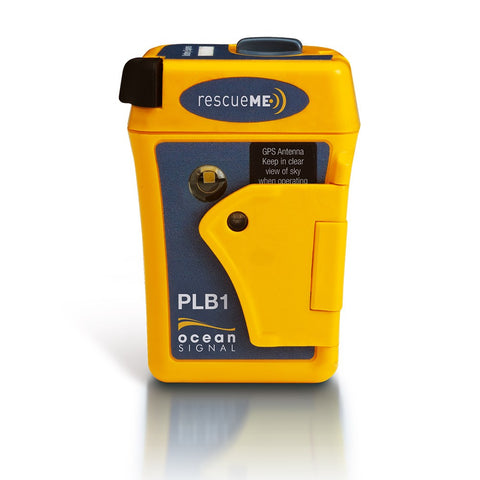
An EPIRB is registered to the vessel, is larger, floats and transmits for longer - it is the abandon-ship beacon. A PLB is registered to a person, is small enough to live in a lifejacket pocket and has a shorter battery life. Offshore boats increasingly carry both, and both must be registered to be effective.
How often does a liferaft need servicing?
Follow the manufacturer's schedule - typically every one to three years depending on raft and pack type, with the interval shortening as the raft ages. An unserviced raft is an unknown quantity, and the service is also when the gas cylinder, contents and expiry dates get checked.