Hatches, Portlights & Ventilation
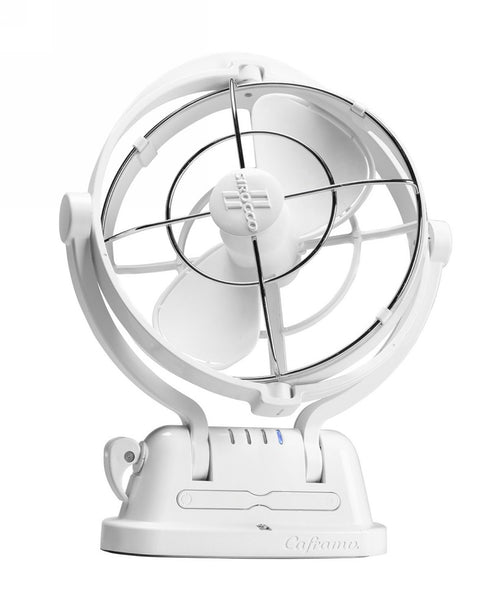
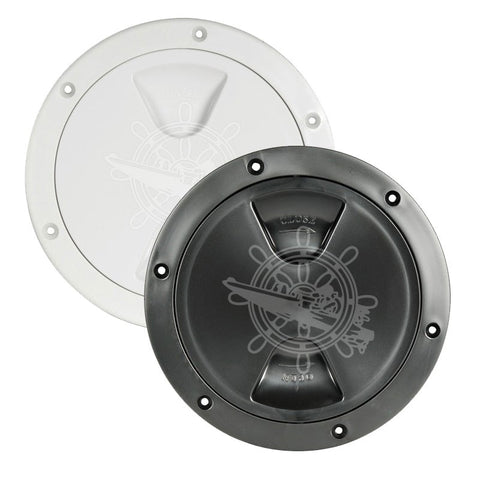
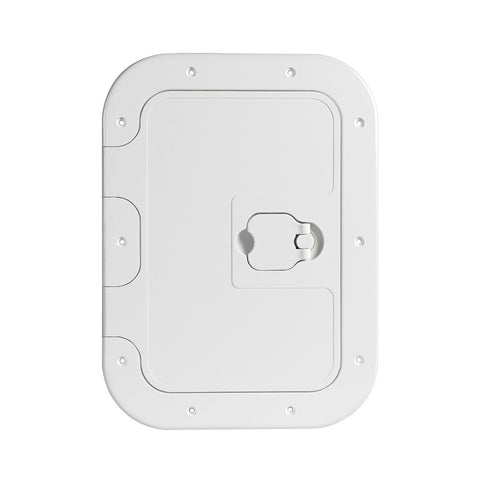
Light and air below decks, and the hardware that controls both. Deck hatches and the stays, adjusters, gas springs, handles and seals that hold and seal them; inspection and access hatches for lockers, tanks and bilges; and powered ventilation fans for keeping air moving through a closed-up boat in summer heat and winter damp.
Ventilation is what decides whether a boat smells sweet in April. Damp air trapped below through a British winter is the single biggest cause of mildew, soft upholstery and that shut-up-boat smell, and passive vents plus a small fan or dehumidifier are far cheaper than the consequences. Hatch seals and stays are the other half of it - a perished seal lets water in every time it rains, and a failed stay is how hatch lids get broken.
Frequently asked questions
How do I stop my boat smelling damp over winter?
Keep air moving. Leave passive vents open, prop locker doors and cushions so air circulates behind them, and add a dehumidifier or low-power fan if shore power is available. Sealing a boat up tight over winter is what creates the smell in the first place.
My hatch leaks - do I need a new hatch?
Usually not. Most hatch leaks are a perished seal, a distorted lid from an over-tightened or failed stay, or tired bedding compound around the frame. Replacement seals, hinge kits, handles and lid parts are available for the common Lewmar and Houdini hatches and cost a fraction of a new unit.
What is the difference between an inspection hatch and a deck hatch?
A deck hatch is a glazed opening providing light, air and access, hinged and dogged down against weather. An inspection hatch is a smaller screw-in or flush cover giving access to a locker, tank or void - watertight but not designed to be opened routinely or to let light in.