Same price in store & onlineNext day delivery availableHassle-free 90-day returnsClick & collect at Fox's Marina
Menu
Galley Equipment
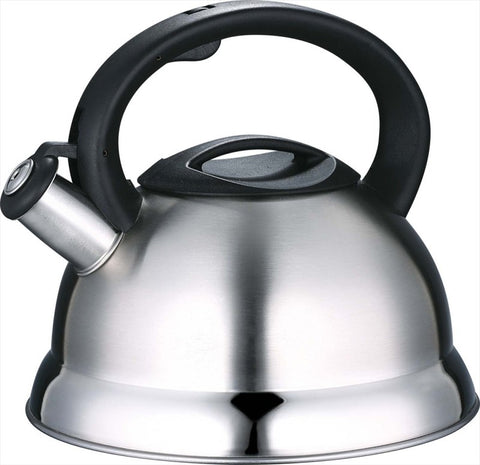
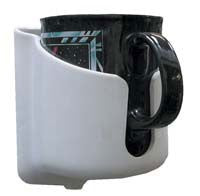
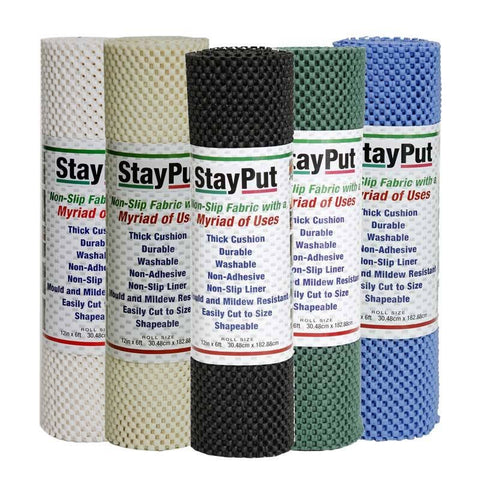
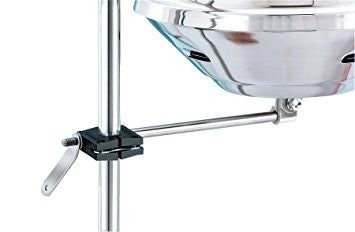
Cooking and eating properly on a boat that will not stay still. Gimballed marine cookers, hobs and spirit stoves with their spare parts; non-slip melamine plates, bowls and mugs; glassware and stainless cutlery; kettles, pans and toasters sized for a small galley; rail-mounted and transom barbecues for summer evenings at anchor; and the storage that keeps it all where you left it - gimballed mug holders, cup holders, locker organisers, trays, mats and coasters.
The galley is where a boat proves whether it was designed by someone who has cooked at sea. Fiddles on every surface, a gimballed cooker with a proper pan clamp, and crockery with a moulded non-slip base ring are what turn a meal on passage from an ordeal into a pleasure. If you are refitting, think about where a hot pan goes when you need both hands - and buy the kettle that fits the gimbal rather than the one that looks right in the shop.
Frequently asked questions
Gas, spirit or electric in a boat galley?
Gas is the most convenient and the most common, and needs a properly installed, ventilated locker draining overboard plus a gas alarm. Spirit stoves avoid gas entirely and suit smaller boats. Electric only works on shore power or a substantial battery bank with an inverter.
Why melamine rather than china?
It does not break when it lands in the sink or the bilge, it is much lighter, and marine melamine has a moulded non-slip base ring - which is the feature that actually keeps a plate on the table when the boat heels. China is for the marina, not the passage.
Are barbecues safe to use on board?
Rail-mounted marine barbecues are designed for it - mounted outboard on the pushpit so fat and embers fall in the water rather than on the deck. Never use one under a bimini or awning, keep a bucket and extinguisher to hand, and let it cool completely before stowing.