Same price in store & onlineNext day delivery availableHassle-free 90-day returnsClick & collect at Fox's Marina
Menu
Marine Antennas
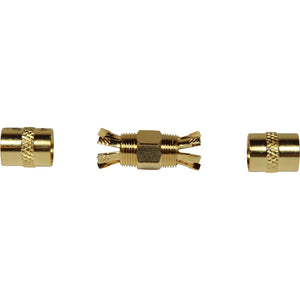
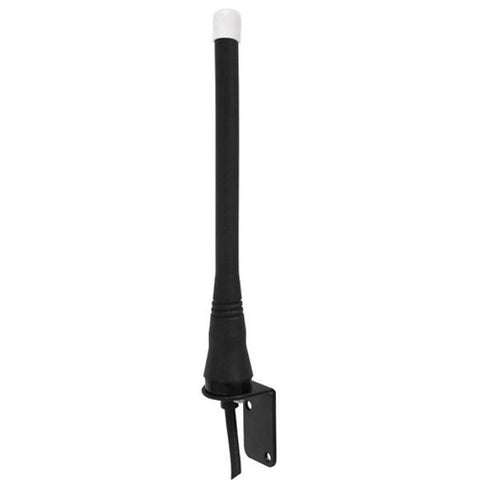
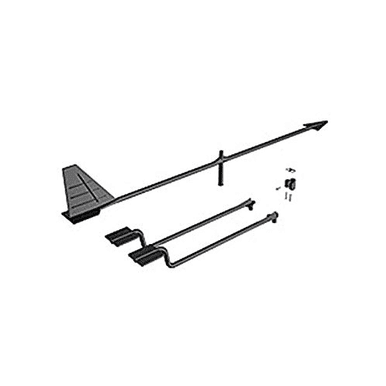
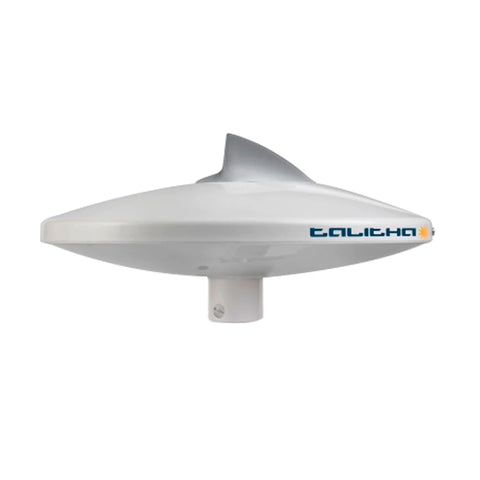
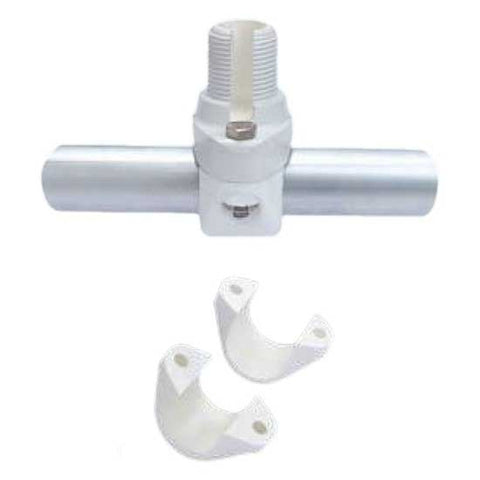
Antennas and everything that connects them. This is the parent page for the antenna department: VHF antennas, AIS and emergency antennas, TV antennas, splitters, and the rail mounts, brackets and accessories that hold them. The brands are Shakespeare, Glomex, V-Tronix and Supergain, with whip, fibreglass and helical patterns, plus deck plugs, PL-259 and N-type connectors, cable splicers and solderless terminal kits.
Height beats power every time. VHF is line of sight, so an antenna at the masthead on a modest set will out-range a bigger antenna on the pushpit, which is why the masthead position is worth the cable run. The cable matters as much as the antenna: a poor connection or water in a joint loses more signal than any upgrade will recover, and the connectors are where most VHF problems start. If you are adding AIS to an existing VHF, a splitter lets both share one masthead antenna rather than fitting a second.
Frequently asked questions
Where should a VHF antenna be mounted?
As high as practical - VHF is line of sight, so height sets range far more than antenna gain or radio power. Masthead is best on a yacht. On a motorboat or RIB, the highest solid mounting point, usually a radar arch or a rail mount on the coachroof.
Can AIS and VHF share one antenna?
Yes, using a splitter. It lets an AIS transponder and a VHF set share a single masthead antenna without either blocking the other, and is the usual retrofit route. A dedicated AIS antenna is tuned slightly differently and performs marginally better if you can fit one.
Why is my VHF range poor?
Nine times out of ten it is the cable or a connector, not the radio. Water in a joint, a corroded PL-259 or a crushed coax run all lose signal. Check the masthead connection first, then the deck plug, and use proper marine grade connectors rather than domestic ones.