Same price in store & onlineNext day delivery availableHassle-free 90-day returnsClick & collect at Fox's Marina
Menu
Green Power
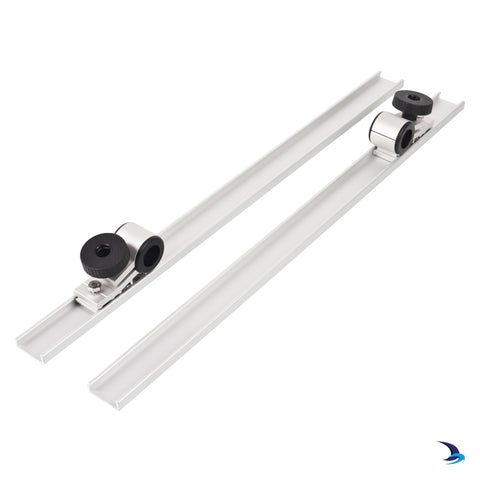
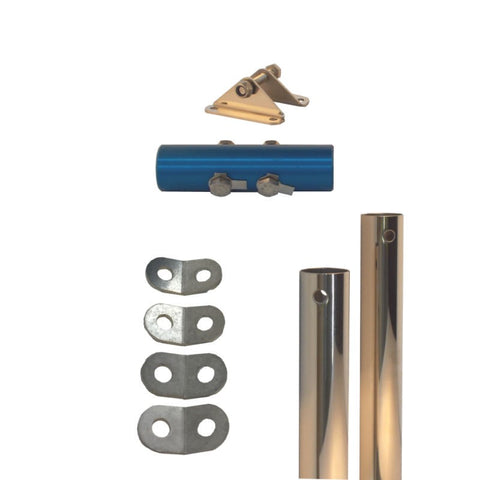
Charging without running the engine. This collection covers the three ways a boat makes its own power: solar panels from rigid to semi-flexible, wind turbines for exposed moorings and passage-making, and hydrogenerators that turn boat speed into amps under sail - along with the charge regulators that protect the battery bank and the mounts and brackets that get each of them into clean air or clean water.
Which one suits you depends on how you use the boat. Solar is quiet, maintenance-free and the obvious first step for a boat on a mooring or a summer cruiser. Wind earns its keep at anchor in a breeze and through the winter when there is little sun. A hydrogenerator only works under way, which makes it a passage-making choice rather than a marina one. Whatever you fit, work out your daily amp-hour consumption first - it is the number that decides everything else.
Frequently asked questions
How much solar does my boat need?
Start from your daily consumption in amp-hours. As a rough UK guide a 100W panel returns something like 25-30Ah on a good summer day and a fraction of that in midwinter, so size for the season you actually use the boat and add margin for cloud, shading and panel angle.
Solar or wind - which is better on a British boat?
Solar for summer, silence and no moving parts; wind for winter, exposed moorings and nights at anchor when there is breeze but no sun. Many boats end up with both because their strong seasons are opposite, and a modest amount of each beats a lot of one.
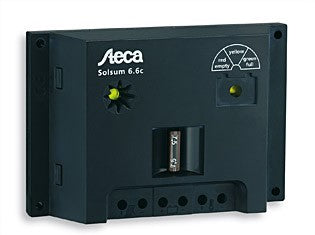
Do I need a charge regulator?
For anything beyond a trickle-charge panel, yes - it stops the source overcharging and cooking the bank. MPPT regulators extract noticeably more from a solar array than simpler PWM types, particularly in weak light, and the difference usually pays for itself on a permanently installed panel.